Working on a construction site is one thing. Working on or around a public road comes with another set of responsibilities.
Once work affects a road, pavement or other part of the public highway, safety isn't only about the people carrying out the work. There are pedestrians, drivers, cyclists, nearby properties, utility services and other road users to consider.
That's where NRSWA training comes in.
NRSWA stands for the New Roads and Street Works Act 1991, the legislation that sets out requirements for street works in England and Wales. For organisations carrying out street works, having appropriately qualified people in the right roles is an important part of complying with those requirements.
But who actually needs NRSWA training? What does the course cover? And what's the difference between an NRSWA operative and an NRSWA supervisor?
Here's what you need to know.
What Is NRSWA Training?
NRSWA training is designed for people who carry out or supervise work on public roads, footpaths and other areas covered by the street works requirements.
The training helps workers understand how street works should be carried out safely, efficiently and in accordance with the relevant requirements.
The exact training you need depends on what you do.
An operative carrying out physical street works will have different responsibilities from someone supervising the work. This means there isn't one single NRSWA course that everyone working in construction needs to take.
KOPLANT Construction Training provides access to NRSWA Operative and Supervisor qualifications through its sister company, KOAST (Southern), with courses available for initial certification, renewal and reassessment.
What Does NRSWA Stand For?
NRSWA stands for the New Roads and Street Works Act 1991.
The Act provides the legal framework for street works and includes requirements relating to the competence of people carrying out and supervising those works.
GOV.UK guidance states that there must be a qualified operative on site while street works are in progress, with qualifications appropriate to the activities being undertaken. It also requires street works sites to be supervised by someone holding the prescribed supervisor qualification.
This doesn't mean that every person on a street works site needs every possible qualification.
The qualifications need to match the work being carried out.
That's an important distinction when deciding which NRSWA training course you need.
Who Needs NRSWA Training?
NRSWA training is relevant to people who work on or near public roads and footpaths as part of their job.

KOPLANT specifically identifies people who may need street works training, including those who:
- Dig up roads
- Reinstate roads
- Work around traffic management
- Carry out certain utility and infrastructure work
- Work in or around distribution boards
- Carry out other activities covered by street works requirements
The exact qualification required depends on the work being performed.
This means NRSWA training can be relevant to workers in construction, utilities, telecommunications, highways and other industries where work takes place within the public highway.
If you're unsure whether your particular role requires an NRSWA qualification, it's worth checking the requirements before starting work rather than assuming that general construction experience is enough.
Why Is NRSWA Training Important?
Street works can create risks that aren't present on a typical private construction site.
You're potentially working next to moving traffic, pedestrians and cyclists while also dealing with excavations, underground services, temporary traffic management and changing site conditions.
A mistake can affect far more than the person carrying out the work.
NRSWA training helps workers understand the procedures and responsibilities associated with working on the highway.
It also provides a recognised route for demonstrating that the person carrying out a particular street works activity has the appropriate qualification.
The legislation specifically requires the qualifications held by operatives to be appropriate for the work being undertaken.
So NRSWA isn't simply another certificate to add to your training record.
For many street works roles, it forms part of the competence requirements for carrying out the work.
What Is an NRSWA Operative?
An NRSWA operative is someone who has been trained and qualified to carry out specific types of street works.
The operative qualification needs to match the work they're performing.
For example, someone working on excavation and reinstatement may require different units from someone responsible for other aspects of street works.
This is why it's important not to think of an NRSWA qualification as a blanket licence that covers every possible street works activity.
The qualification relates to specific work activities.
GOV.UK guidance makes this clear: an operative needs the appropriate qualification for the activities being undertaken, and a supervisor qualification does not automatically qualify someone to work as an operative.
What Is an NRSWA Supervisor?
An NRSWA supervisor is responsible for supervising street works and making sure the work is being carried out appropriately.
The supervisor doesn't necessarily have to remain physically on site at all times.
GOV.UK guidance states that a qualified supervisor can supervise more than one street works site, although the site must have the appropriate level of supervision.
The supervisor role is therefore different from the operative role.
A supervisor needs the appropriate supervisor qualification, while someone carrying out the physical work needs the relevant operative qualification.
If someone holds both operative and supervisor qualifications, they can work in either capacity where the relevant qualifications apply.
What Does an NRSWA Course Cover?
The exact content depends on the units and qualification you're taking.
However, NRSWA training is designed around the practical requirements of carrying out street works safely and competently.
Depending on your role, training may cover areas such as:
Working safely on the highway
Understanding the risks associated with working around live traffic, pedestrians and other highway users.
Signing, lighting and guarding
Understanding how work areas need to be protected and how appropriate arrangements help separate workers from traffic and pedestrians.
Excavation and reinstatement
Understanding the correct approach to excavating the highway and restoring it after work has been completed.
Safe working practices
Learning how to identify hazards and follow the relevant procedures for the work being undertaken.
Site responsibilities
Understanding the responsibilities of operatives and supervisors throughout the work.
The qualification you need will determine which units are relevant to your role.
Is NRSWA Training Only for Construction Workers?
No.
Although NRSWA is closely associated with construction and civil engineering, street works also involve a wide range of utility and infrastructure activities.
People working for or alongside utility companies, telecommunications contractors, highways contractors and other organisations carrying out work on public highways may need appropriate street works qualifications.
The key question isn't simply, "Do you work in construction?"
It's:
Does your job involve carrying out or supervising work covered by the street works requirements?
If the answer is yes, you may need the relevant NRSWA qualification.
Do You Need NRSWA Training to Dig Up a Road?
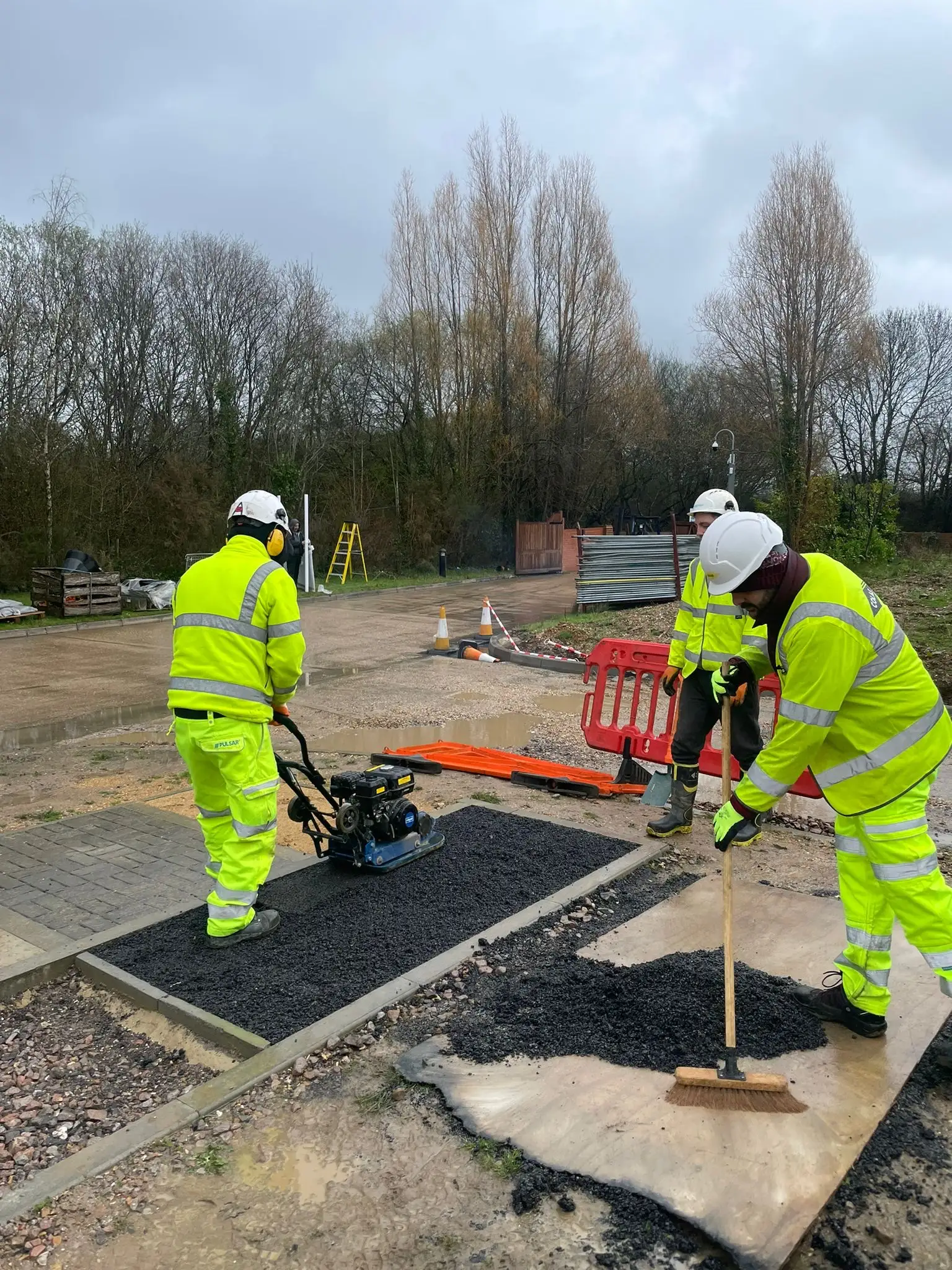
If you're carrying out street works involving excavation of the highway, you may need an appropriate NRSWA operative qualification.
The specific qualification depends on the work you're carrying out.
NRSWA requirements are particularly important because excavation work can involve underground utilities, traffic management and reinstatement of the highway.
GOV.UK states that the operative qualification must be appropriate to the activities being undertaken.
So having experience with excavators or general groundworks doesn't automatically mean you're qualified for every type of street works activity.
General plant training and NRSWA training serve different purposes.
For example, an operator may hold an NPORS qualification for a particular machine while also needing the appropriate NRSWA qualification for the street works activity they're carrying out.
How Long Does NRSWA Training Take?
There's no single course duration for every NRSWA qualification.
The length depends on the units you're taking, whether you're completing operative or supervisor training, and whether you're undertaking initial training, renewal or reassessment.
Some courses may focus on specific units, while others involve multiple units and therefore take longer.
This is another reason it's important to identify the qualification you actually need before booking.
You don't necessarily need to complete every NRSWA unit.
You need the units relevant to your role and the work you're undertaking.
Does NRSWA Training Expire?
NRSWA qualifications and street works cards are subject to renewal requirements, so holding a qualification isn't necessarily a case of completing training once and never thinking about it again.
If your qualification or card is approaching its renewal date, you should check the current requirements and arrange the appropriate renewal or reassessment in advance.
KOPLANT's NRSWA service specifically includes initial certification, renewal and reassessment, making it possible to address different stages of the qualification process.
Keeping qualifications current is particularly important for employers who need to ensure their workforce remains appropriately qualified for ongoing street works.
What Happens If You Work on the Highway Without the Right Qualification?
This isn't something to treat as simply a paperwork issue.
NRSWA places requirements on street works organisations to ensure that appropriately qualified people are involved in the work.
GOV.UK states that there must be a qualified operative on site while street works are in progress and that the qualification must match the activities being undertaken.
There are also responsibilities around supervision.
For businesses, that means checking qualifications before assigning workers to particular street works activities rather than assuming that general industry experience is enough.
For individual workers, it means understanding exactly which qualifications their role requires.
Choosing the Right NRSWA Training
The right course depends on what you actually do.
If you're carrying out physical street works, you may need an NRSWA operative qualification.
If you're responsible for supervising street works, you may need an NRSWA supervisor qualification.
Some workers may require both, depending on their responsibilities.
Before booking, consider:
What type of street works do you carry out?
Are you working as an operative or supervisor?
Which NRSWA units are relevant to your role?
Is this your first qualification or a renewal?
Do you need reassessment?
Will the qualification need to meet a specific employer or contract requirement?
Getting these details right first can save time and prevent you from booking a course that doesn't cover the work you actually need to perform.
NRSWA Training for Employers
NRSWA training isn't only something individual workers need to think about.
Employers also have a responsibility to ensure that the people undertaking relevant street works have the appropriate qualifications.
This becomes particularly important when multiple workers are involved in different stages of a project.
One person may be qualified for a particular operative activity while another is responsible for supervision.
The qualifications don't necessarily all need to sit with one person. GOV.UK guidance specifically explains that the relevant qualifications can be held by different operatives, provided there is always an appropriately qualified operative on site for the work being undertaken.
For employers, this means planning workforce competency alongside the project itself.
The Bottom Line
NRSWA training is designed for people who carry out or supervise relevant work on public roads, footpaths and other parts of the highway.
It isn't one universal qualification.
The training and qualification you need depend on your role and the type of street works you're undertaking.
Operatives need the appropriate qualifications for the work they carry out, while supervisors need the prescribed supervisor qualification.
For someone new to street works, understanding these requirements before starting a project can prevent problems later. For experienced workers, keeping qualifications current is equally important.
KOPLANT Construction Training provides access to NRSWA Operative and Supervisor training, including initial certification, renewal and reassessment through its sister company KOAST (Southern). If you're unsure which street works qualification applies to your role, it's worth discussing your requirements before booking.