Working in construction often means more than operating machinery or completing a specific trade qualification. If your job involves working around underground services, utilities or excavation, you may also need specialist training to demonstrate that you understand how to work safely.
This is where EUSR training comes in.
The Energy & Utility Skills Register (EUSR) is the register of training and skills for the energy and utilities sector. It records an individual's training and skills and allows employers to verify relevant registrations.
But what does EUSR accreditation actually mean, and which construction workers might need it?
Let's take a closer look.
What Is EUSR Training?
EUSR stands for Energy & Utility Skills Register. It is an industry skills and training register covering a wide range of schemes used across the energy and utilities sectors.
Rather than being one single qualification, EUSR covers different training schemes and registrations depending on the work being carried out. These can include areas such as water, gas, power, telecommunications, waste and utility excavation.
For construction workers, EUSR training can be particularly relevant when a role involves underground services, excavation or working around utility infrastructure.
The exact EUSR training you need depends on your job and the type of work you carry out. It is therefore important to choose a course that matches your responsibilities rather than simply looking for an EUSR card.

Why Does EUSR Training Matter on Construction Sites?
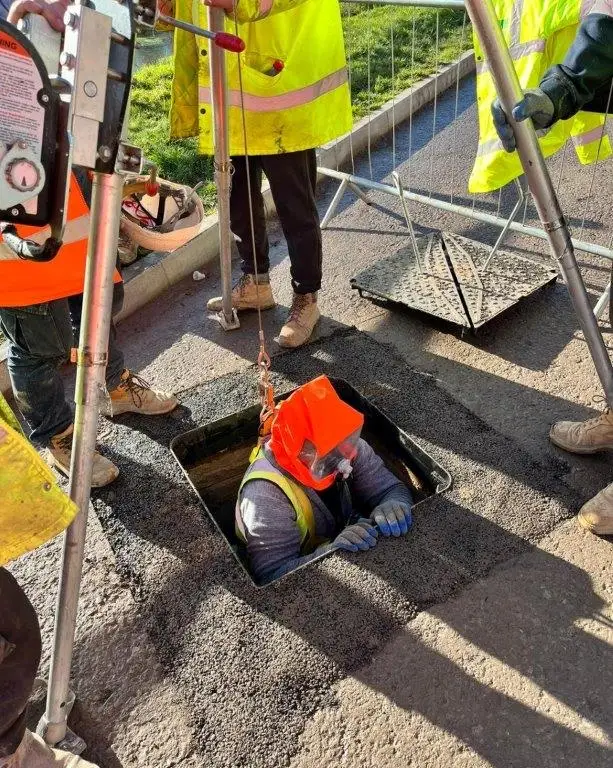
Construction and utility work can involve significant risks when workers are digging or breaking ground.
Underground cables, gas pipes, water pipes, telecommunications equipment and other services may not be visible from the surface. Striking one can cause serious injury, service disruption, property damage or delays to a project.
EUSR's utility excavation scheme includes training around locating utility services and implementing safe digging practices. Its standards include Locate Utility Services (HSG47) and Implement Safe Digging Excavating Practices.
The aim isn't simply to give someone another card to carry. The training is designed to help workers understand the risks associated with underground services and follow safer working practices before and during excavation.
What Is CAT and Genny Training?
If you've worked around excavation, you may have heard people talk about CAT and Genny training.
A CAT, or Cable Avoidance Tool, is used to help locate buried services. A Genny, or signal generator, can be used alongside it to assist with locating certain underground cables and services.
However, having the equipment available isn't enough. Workers need to understand how to use it correctly and how to interpret what the equipment is showing.
KOPLANT's CAT 1 – Locate Utility Services course covers both theory and practical elements, including the dangers of service strikes and safe working practices when using CAT and Genny equipment. The course covers Power, Radio, Genny and Avoidance Mode searches, induction searches, direct connections and different attachments used when locating utility services.
This makes CAT and Genny training particularly relevant for workers who need to identify buried services before excavation begins.
What Is CAT 1 EUSR Training?
CAT 1 training focuses on locating utility services.
At KOPLANT, the CAT 1 course takes approximately 6 hours and covers the knowledge and practical skills required to identify buried cables and pipes before excavation.
The training is based around safe working practices and relevant guidance including HSG47.
This type of training can be useful for workers who regularly need to establish where underground services are before work starts.
For example, that could include workers involved in groundwork, excavation, utility installation or other construction activities where breaking ground is part of the job.
What Is CAT 2 Safe Digging Training?
Locating a service is only one part of working safely around underground utilities.
Once the location of services has been identified, workers also need to understand how to break ground safely.
That's the purpose of CAT 2 – Implement Safe Digging Practices.
KOPLANT's CAT 2 course is also listed as a 6-hour course. It covers safe working practices when breaking ground and working around underground services, including the risks involved and the procedures that should be followed. The course includes both theory and practical elements.
For workers who need both elements, KOPLANT also offers a combined CAT 1 & 2 course, covering locating utility services and implementing safe digging practices over 1.5 days.
Which Construction Workers May Need EUSR Training?
There isn't one single job title that automatically means someone needs every type of EUSR training.
Instead, it depends on the work being undertaken.
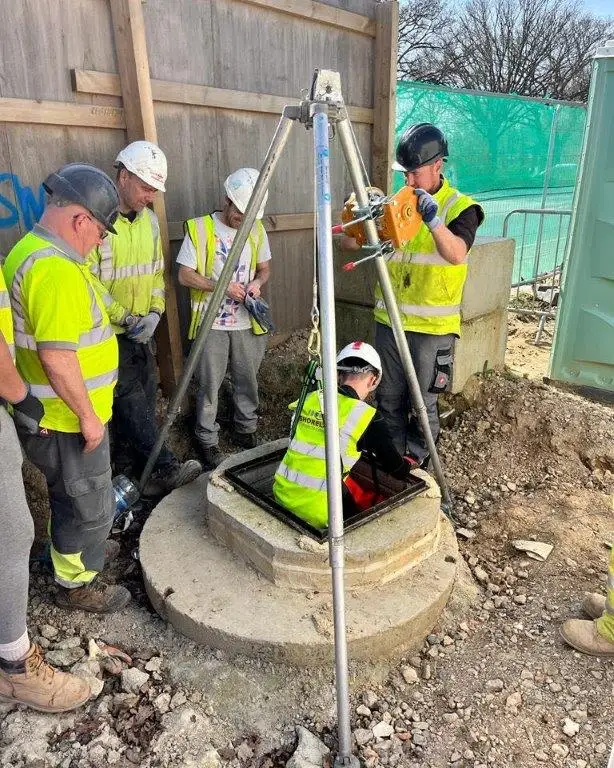
Groundworkers and excavation workers are an obvious example. If your work involves digging, trenching or breaking ground, understanding how to locate and work safely around underground services can be essential.
Utility workers and contractors may also need EUSR registration depending on the utility sector and their particular role. EUSR schemes cover a range of utility industries and roles, including gas, power, water and telecommunications.
Site operatives and supervisors who are responsible for excavation activities may also encounter EUSR requirements, particularly where their work involves utility infrastructure or construction sites with specific competency requirements.
The important point is that EUSR training is role and scheme specific. The right course should be determined by the work you actually carry out and the requirements of the employer or site.
Is an EUSR Card the Same as a CSCS Card?
Not exactly.
EUSR maintains registrations for training and skills, while some EUSR schemes are also linked with the Construction Skills Certification Scheme (CSCS).
For example, EUSR's SHEA Core scheme is partnered with CSCS to allow utility workers to access construction sites for utilities work without needing a separate CSCS card for that purpose.
EUSR also states that it is the CSCS Alliance Partner for the utilities sector, with EUSR CSCS cards covering utilities-related work such as gas, power, water, telecommunications, drainage and sewers and waste management.
This distinction is important because an EUSR registration doesn't automatically mean that every worker has the same site access or competency for every type of construction work.
You need the training and card appropriate to the role being carried out.
How Long Does EUSR Training Take?
The duration depends on the specific EUSR course.
For example, KOPLANT currently lists:
CAT 1 – Locate Utility Services: 6 hours
CAT 2 – Implement Safe Digging Practices: 6 hours
CAT 1 & 2 combined: 1.5 days
Other EUSR schemes can have different requirements and durations, so it is worth checking the specific course before booking.
Once successfully completed, KOPLANT states that its EUSR accreditation lasts for three years.
What Should You Check Before Booking an EUSR Course?
Before booking an EUSR training course, start with your actual job responsibilities.
Ask yourself what type of work you carry out, whether you regularly work around underground services, whether you need to locate services before excavation and whether your employer or principal contractor has specified a particular EUSR scheme.
It is also worth checking whether you need CAT 1, CAT 2 or both.
If your role involves locating underground services as well as safely breaking ground, the combined route may be more appropriate than completing only one part.
Your employer or site manager can also confirm any site-specific competency requirements before you book.
The Bottom Line
EUSR training is not simply one general construction qualification. It is a range of recognised training and registration schemes designed around different activities and sectors within the energy and utilities industry.
For construction workers involved in excavation, one of the most relevant areas is utility services training. CAT 1 covers locating underground services, while CAT 2 focuses on implementing safe digging practices. KOPLANT also provides a combined CAT 1 & 2 course for workers who need both areas of training.
Getting the right training before starting work around underground services can help workers understand the risks, use cable avoidance equipment correctly and follow safer excavation practices.
If you're unsure which EUSR training course is suitable for your role, it's worth discussing your requirements with a training provider before booking.