An excavator can look straightforward from the outside. Sit in the cab, move the controls and start digging.
In reality, operating a 360 excavator safely involves understanding the machine, the ground conditions, attachments, site hazards and what to do before, during and after every operation. That's why proper excavator training matters if you're looking to operate one on a construction site.
Whether you're completely new to plant operation or you've already spent years working around excavators, the training route you need can be different.
Here's what to know before booking an excavator course.
Why Excavator Training Matters
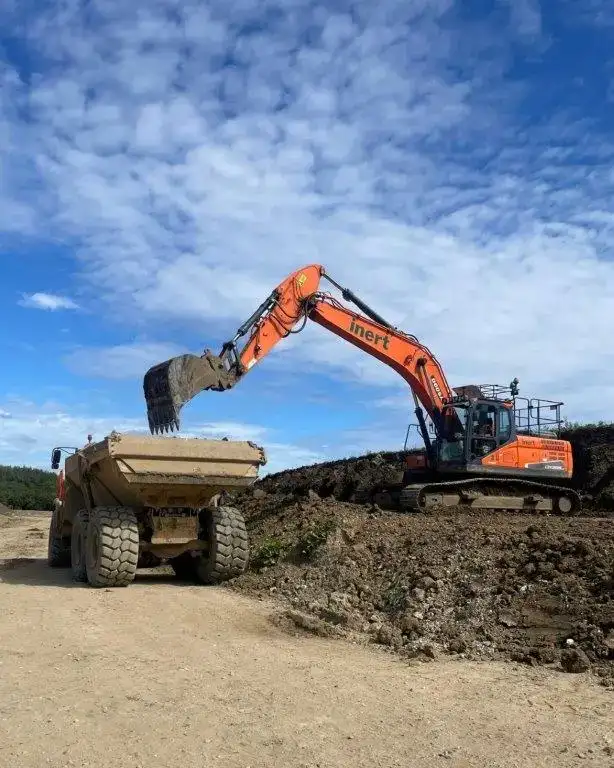
Excavators are powerful pieces of construction plant used for everything from trenching and foundations to loading materials, grading and general groundwork.
That power is exactly why operators need appropriate training.
Under PUWER, employers have responsibilities to ensure people using work equipment receive adequate training for health and safety, including the methods of use, associated risks and precautions. HSE guidance also states that self-propelled work equipment should only be driven by workers who have received appropriate training in its safe operation.
On a construction site, this means being able to demonstrate that you have the right training and competence for the excavator you're expected to operate.
It isn't simply about knowing which lever moves the bucket.
What Training Do You Need to Operate an Excavator?
For many UK construction workers, NPORS excavator training is one of the routes available for demonstrating competence in operating construction plant.
NPORS stands for the National Plant Operators Registration Scheme and provides training and certification for a range of plant categories.
KOPLANT offers Excavator 360 training for machines both below and above 10 tonnes, with courses designed for novice and experienced operators.
The right course depends on the type and size of excavator you'll be operating, as well as your previous experience.
That's important because you shouldn't assume that completing one excavator course automatically covers every machine or category.
What Does 360 Excavator Training Cover?
A good excavator operator course needs to go beyond simply getting the machine moving.
KOPLANT's NPORS Excavator 360 training combines theory and practical training. Depending on the course, candidates learn about machine components and controls, pre-operational checks, safe machine operation, excavation, groundwork, attachments and end-of-shift procedures.
That practical knowledge is what helps an operator understand what the excavator can do, where its limitations are and how to use it safely on site.
You'll also need to understand the risks associated with operating heavy plant around other workers, vehicles, structures and underground services.
Do Beginners Need Excavator Training?
Yes. Being a complete beginner doesn't necessarily prevent you from taking an excavator course.
In fact, structured plant operator training is particularly important if you're learning from scratch because you need to develop the correct habits from the beginning.
KOPLANT's current NPORS Excavator 360 courses allow novice candidates to train without previous experience. For the Excavator 360 below 10 tonnes course, the novice programme is currently listed as five days. For the above 10 tonnes category, the novice course is listed as six to nine days.
The longer course time reflects the need to build both theoretical knowledge and practical operating skills.
What If You Already Have Excavator Experience?
Experienced operators don't necessarily need to follow the same training route as someone who has never operated an excavator.
KOPLANT currently lists an experienced-worker course of 7 hours for the Excavator 360 below 10 tonnes category and 5 days for the Excavator 360 above 10 tonnes category.
For the traditional NPORS route, KOPLANT states that experienced workers need either 18 months of provable work experience or six months of consistent daily experience in the relevant category.
This is why it's worth discussing your previous experience with the training provider before booking. You don't want to book a beginner course if an experienced-operator route is appropriate, but you also don't want to underestimate the training required.
What Is an NPORS Excavator Card?
Completing NPORS training can lead to different card routes depending on the certification you're applying for.
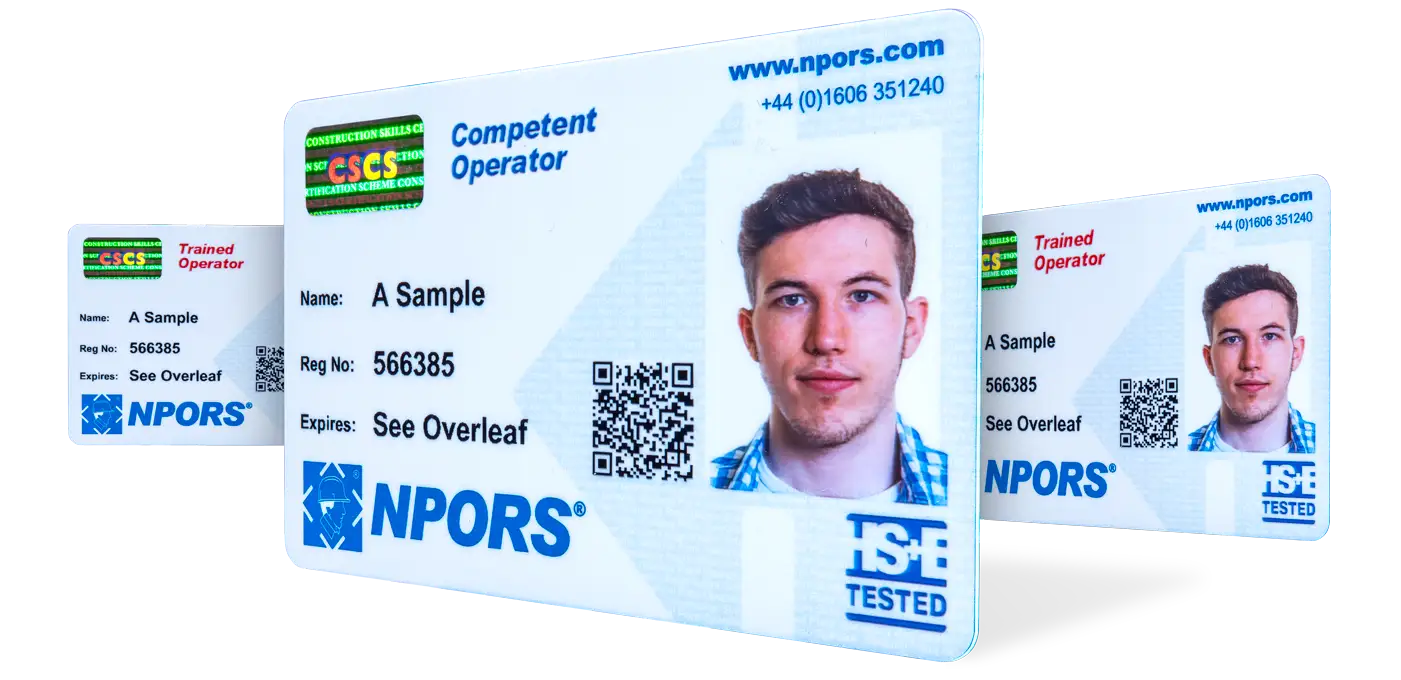
For candidates applying for the NPORS/CSCS route, KOPLANT states that successful candidates receive an NPORS Red Trained Operator Card, which is valid for two years. During that period, the candidate is required to register for a relevant NVQ.
After successfully completing the relevant NVQ, the operator can progress to the Blue Competent Operator Card, which KOPLANT states is valid for five years, while the qualification itself lasts for life.
This is particularly relevant if you're working towards longer-term recognition of your competence rather than simply completing initial training.
There is also a traditional NPORS card route, so the right option depends on your circumstances and what your employer or site requires.
Do You Need a CSCS Card to Operate an Excavator?
This is where things can become confusing because an excavator qualification and a site access card aren't necessarily the same thing.
For the NPORS/CSCS route, KOPLANT states that candidates also need an in-date relevant CITB Health, Safety and Environment Touchscreen Test.
Individual construction sites can also have their own competency and access requirements.
So if you've been told that you need an excavator ticket, NPORS card or CSCS-related certification, check exactly what your employer or principal contractor is asking for before booking.
Getting the wrong qualification can mean spending money on training that doesn't meet the requirement you're trying to satisfy.
What Will You Actually Learn on an Excavator Course?
The practical side of excavator training is about developing safe and controlled operation rather than simply learning how to move the controls.
Training can cover things such as carrying out pre-start checks, identifying machine components, understanding controls, moving and positioning the excavator, excavating different types of ground and loading materials.
You'll also learn about attachments and how they should be fitted and removed safely.
KOPLANT's below-10-tonne Excavator 360 course also covers reinstating excavations, grading and levelling ground, along with end-of-shift and shutdown procedures.
These are the everyday skills that turn basic machine familiarity into competent plant operation.
What About Underground Services?
Excavator operators often work in areas where underground cables, pipes and other services may be present.
This is an important part of construction plant safety because striking an underground service can create serious risks for workers and cause damage to infrastructure.
Excavator training itself isn't a replacement for specialist utility training where that is required. Depending on your role, you may also need EUSR training, including CAT and Genny training for locating underground services and safe digging practices.
If your work regularly involves excavation around buried utilities, make sure you understand the additional training and site requirements that apply to your role.
How Long Does Excavator Training Take?
There isn't one standard excavator course length because it depends on the machine category and your experience.
At KOPLANT, the current course information includes:
Excavator 360 below 10 tonnes: five days for novices and seven hours for experienced operators.
Excavator 360 above 10 tonnes: six to nine days for novices and five days for experienced operators.
The course finishes with assessment. KOPLANT describes the training as combining practical and theory-based exercises, with candidates completing a practical assessment and short written theory test.
Choosing the Right Excavator Course
Before booking an excavator course, there are a few questions worth answering.
What size and type of excavator will you actually operate? Are you a complete beginner or do you already have documented experience? Does your employer require NPORS, NPORS/CSCS or another form of plant certification? Do you need an additional NVQ to progress to a competent operator card?
Answering these questions first makes it much easier to choose the right excavator operator training.
If you're unsure, speak to the training provider and explain exactly what type of work you do and what your employer has asked you to obtain.
The Bottom Line
Operating an excavator isn't something you should learn by simply climbing into a machine and figuring out the controls.
The right excavator training gives you structured knowledge and practical experience covering machine operation, safety checks, excavation, attachments, site awareness and shutdown procedures.
For UK construction workers, NPORS excavator training is one established route, with KOPLANT currently offering Excavator 360 courses for machines below and above 10 tonnes, with separate routes for novice and experienced operators.
The important thing is choosing training that matches the excavator you'll operate, your existing experience and the certification your employer or site requires.